If you’ve ever used VWO (Visual Website Optimizer), you probably know it’s a powerful tool. It helps you run experiments, watch how visitors behave, and optimise your website. But here’s the catch: it can feel heavy, expensive, and over-engineered for many teams, especially small to mid-sized ecommerce brands that just want to move fast and increase conversion rates without waiting for developers.
That’s why in 2025, the search for the best VWO alternatives is stronger than ever. Brands are looking for tools that balance usability, performance, and affordability. And while VWO still has its place in enterprise circles, a new wave of platforms is making experimentation more approachable. If you’re actively searching for a VWO alternative, this guide compares the best alternatives for VWO across price, performance, and ease of use.
This guide takes you through the top VWO competitors worth exploring this year. We’ll break down what each tool does, where it shines, where it struggles, and who it’s best suited for.
Why Look Beyond VWO?
Before jumping into the alternatives, let’s be clear: VWO is not a bad platform. It has heatmaps, multivariate testing, personalization, and a strong analytics backbone. The issue comes down to fit.
- Cost: Pricing can quickly scale out of reach for smaller ecommerce brands.
- Complexity: You often need technical resources to set things up smoothly.
- Performance: Some users report flickering or slower load times when running tests.
For agile ecommerce teams, these hurdles create friction. And in an industry where conversion rate improvements can make or break a campaign, you can’t afford unnecessary delays. These realities push many teams to evaluate VWO competitors and shortlist a VWO replacement that fits lean ecommerce workflows.
The Best VWO Alternatives in 2025
Below is a ranked list to help you choose the best alternative for VWO based on your stage, traffic, and team skill set.
1. CustomFit.ai – A/B Testing and Personalisation Without the Headaches
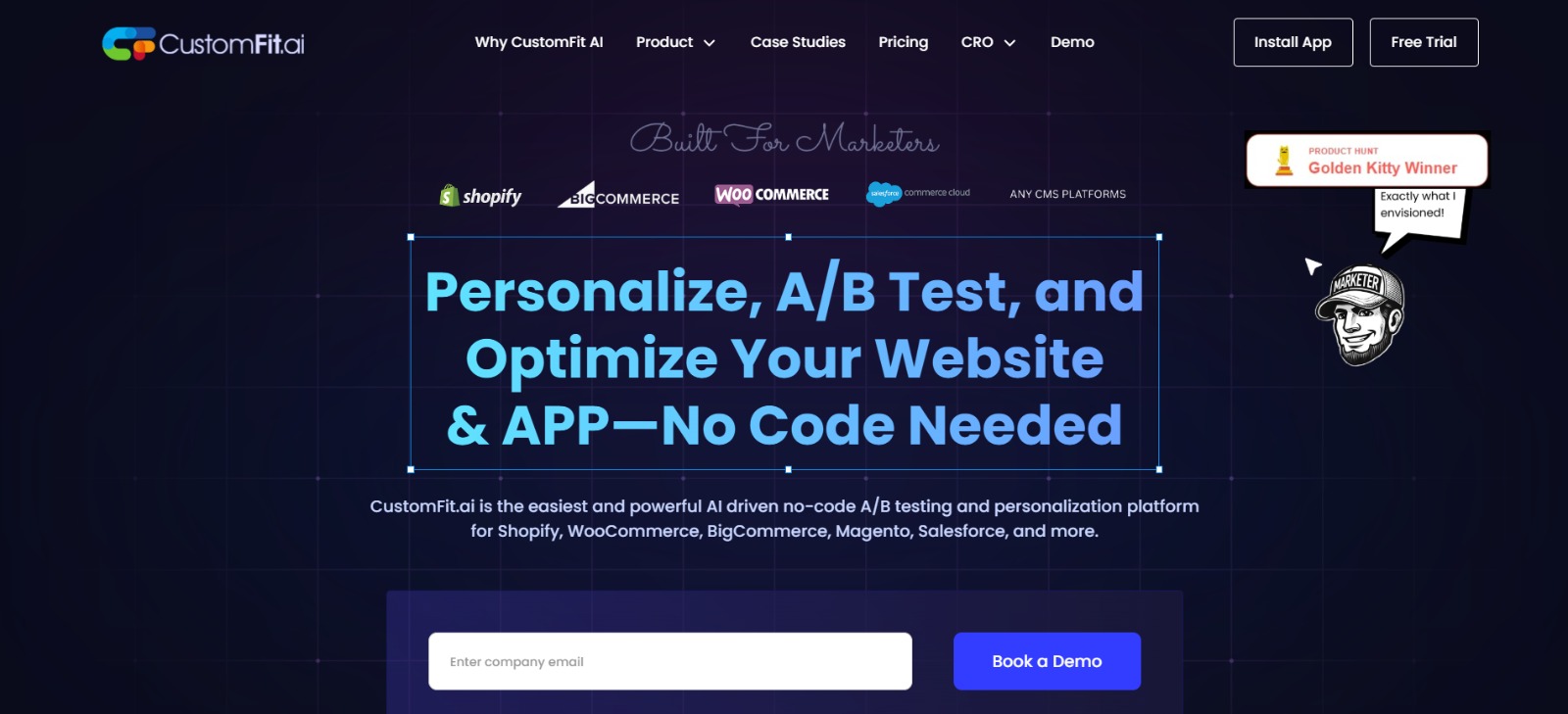
Why it stands out: CustomFit.ai was designed with ecommerce brands in mind. Unlike VWO, which feels enterprise-heavy, CustomFit.ai is lightweight, no-code, and flicker-free. That means you can run A/B Testing and website personalisation experiments without slowing your site or bothering your dev team. For many D2C founders, CustomFit.ai is the most practical VWO alternative when they want no-code testing and personalization without performance drag.
Key Features
- Visual editor to set up experiments without coding
- Personalisation engine that segments visitors (new vs returning, location, referral, device)
- Flicker-free A/B testing platform for smooth user experience
- Real-time analytics to track conversion uplift, bounce rate, and engagement
- Integrations with Shopify, Shoplazza, WooCommerce and other ecommerce platforms
Pricing:
CustomFit.ai offers flexible pricing based on traffic and brand size. It is more accessible than VWO while still offering premium features.
Pros
- Easy setup, truly no coding needed
- Reliable support, often praised by D2C founders
- Combines A/B Testing and personalisation in one tool
- Designed for ecommerce funnels
Cons
- Not as feature-dense as VWO for enterprise clients
- Works best for ecommerce rather than non-retail industries
If your focus is on ecommerce growth and increasing conversion rate ecommerce, CustomFit.ai is one of the best A/B Testing Platforms in 2025.
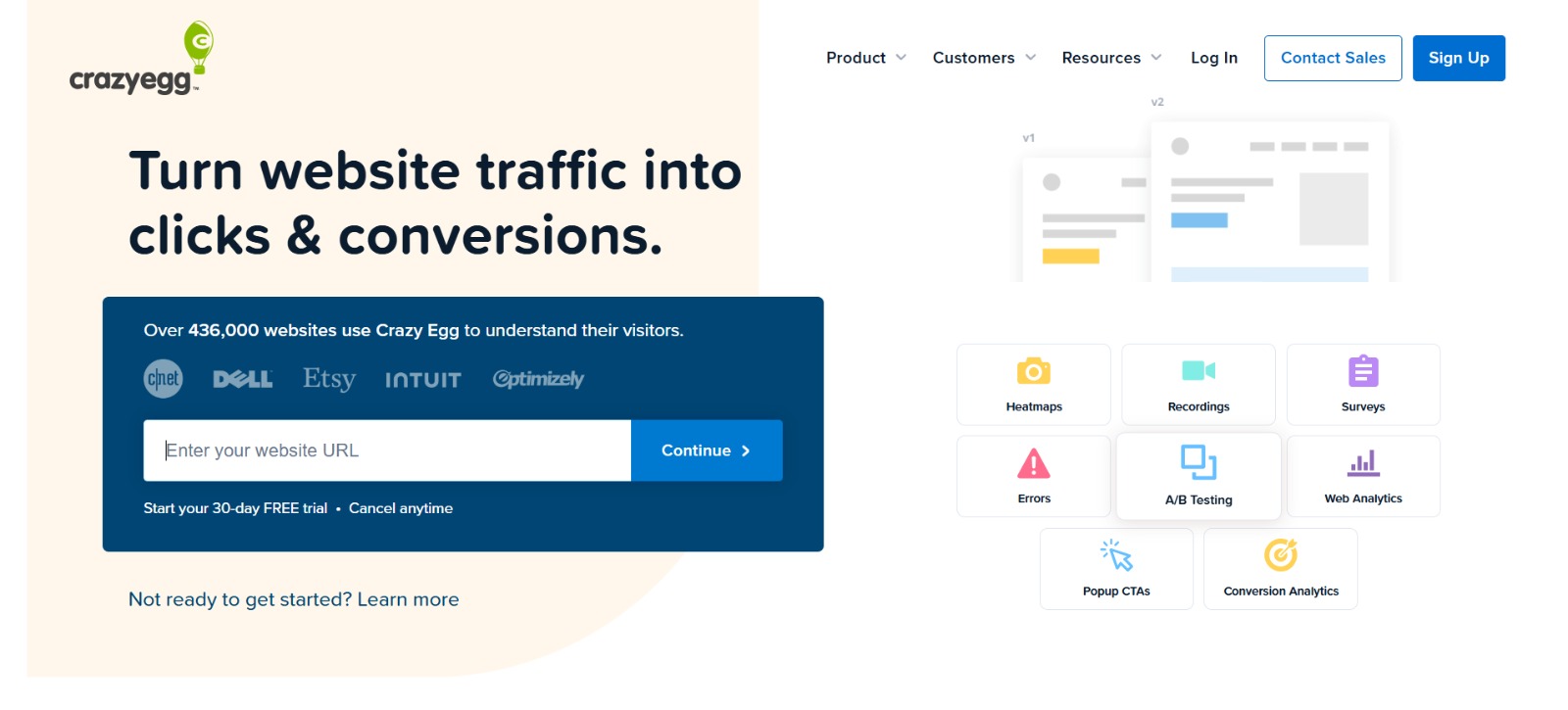
A behaviour analytics + lighter AB Testing tool, good for visual insights, heatmaps and understanding where and how users interact on your site.
Features:
- Heatmaps, scroll maps, click/interaction maps to see where visitors focus.
- Session replays so you can watch what real visitors do.
- Basic split testing / A/B Testing of web pages.
- Surveys / feedback widgets in many plans to collect user comments or preferences.
- Privacy masking and tools to respect user data (masking inputs, etc.).
Pricing:
- Entry plans start around $29/month (for simpler sites) and go up to ~$499/month for more features.
- Free trial period is typically available.
Pros:
- Excellent for diagnosing problems with your UI / design before you commit to heavier AB Tests.
- Affordable; provides good value for smaller ecommerce shops or for experimentation on specific pages.
- Visual tools (heatmaps, recordings) give insights that numbers alone don’t.
Cons:
- Not as full-featured for personalised AB Testing or multivariate experiments.
- More useful for front-end fixes than deep backend or funnel wide experiments.
- If your data needs are complex, or if you must integrate many metrics beyond what Crazy Egg offers, you may need additional tools.
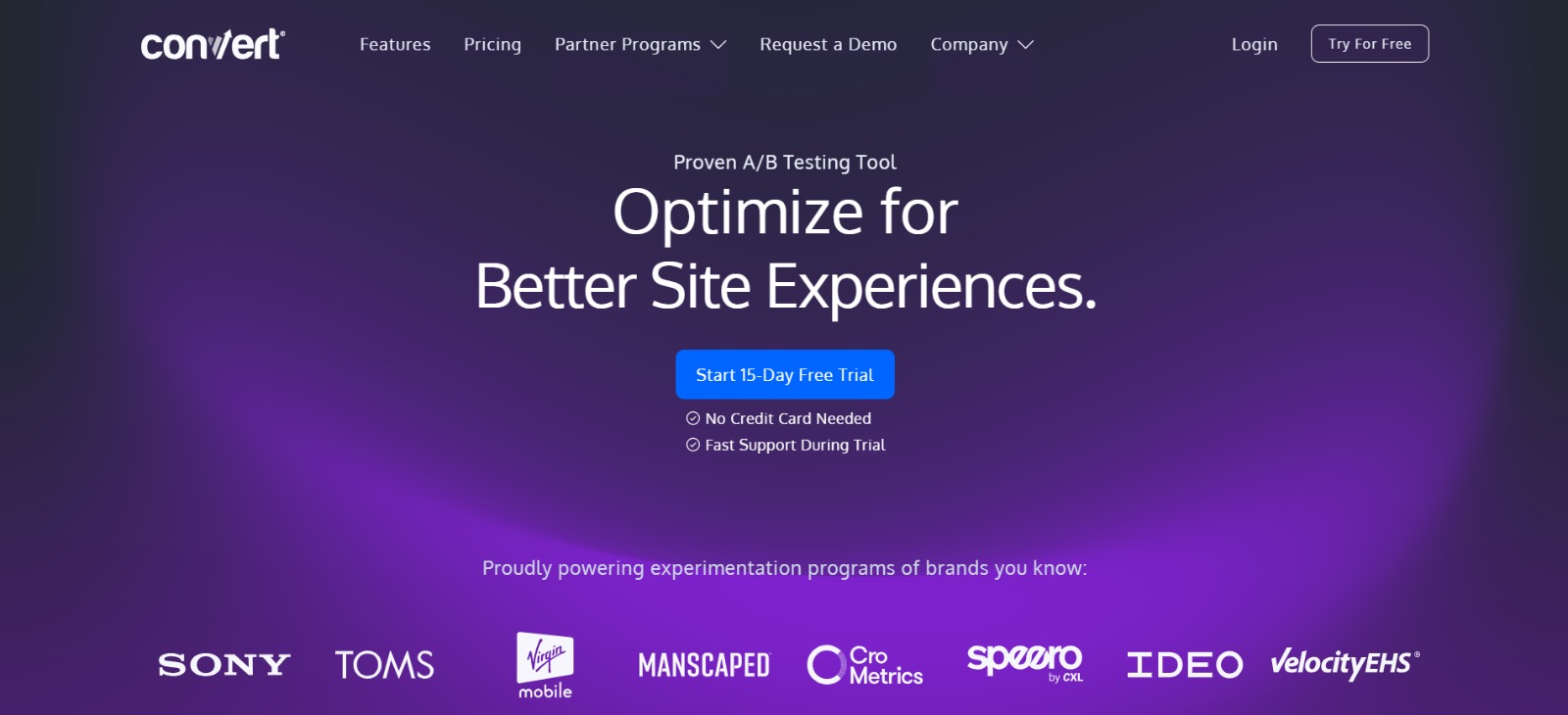
A mid-market AB Testing Platform frequently cited as a good balance between price and capability. Especially attractive when you want to scale experimentation but not pay enterprise rates.
Features:
- Standard AB Tests, multivariate tests, and split URL tests.
- Preview modes for mobile and desktop.
- Integrations with analytics tools so you can correlate experiment results with behaviour metrics.
Pricing:
- Plans are transparent; from around US$299/month for lower traffic / smaller test volumes.
- Higher tiers scale with traffic & number of testers.
Pros:
- Good feature set for growing ecommerce brands that want more than basic testing.
- More affordable than large enterprise tools while still offering credible capabilities.
- Less friction in scaling AB Testing when traffic grows.
Cons:
- UI / ease of setting up experiments isn’t as sleek as some of the simpler tools.
- For huge enterprise scale or for deeply integrated personalisation + AI suggestions, it might fall short.
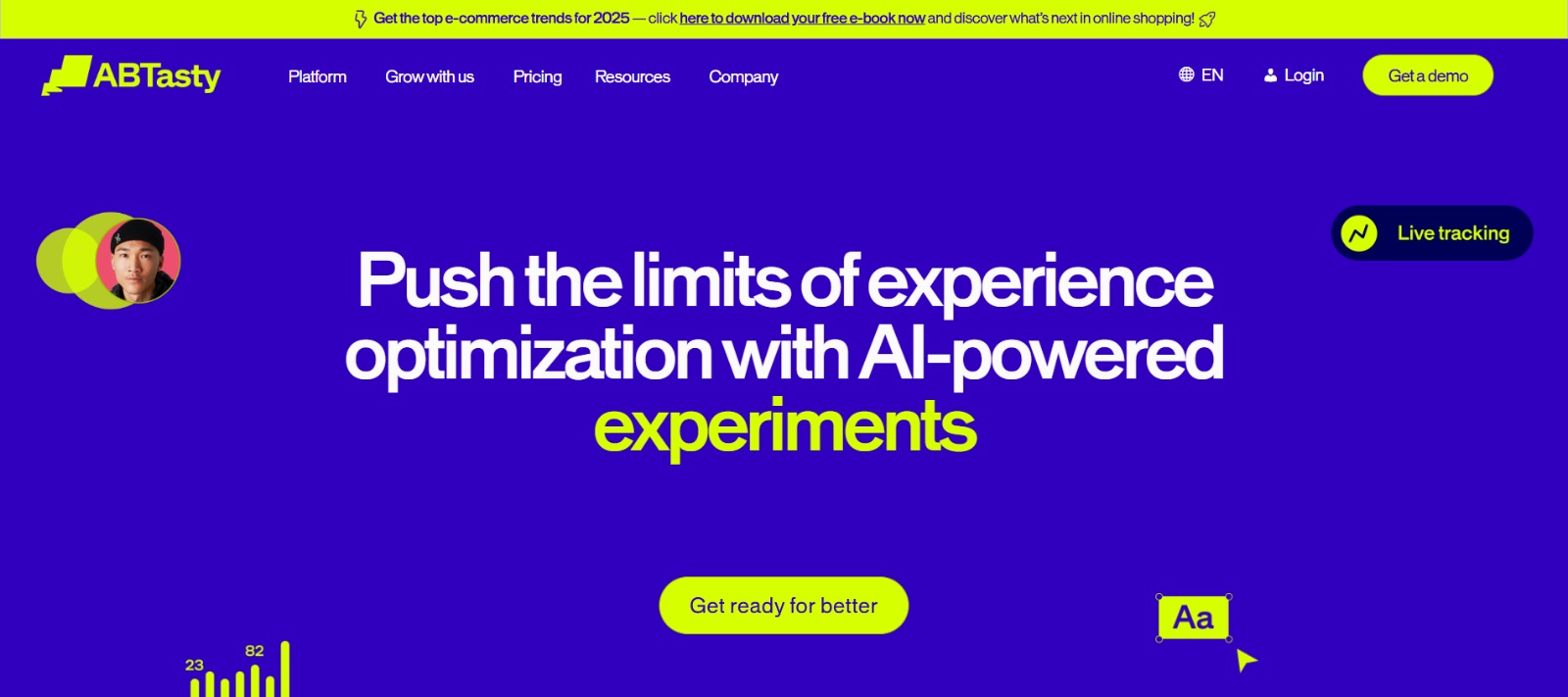
A tool built for conversion optimisation, testing, and personalisation that tries to serve non-technical teams with strong visual tools plus enough power for segmentation.
Features:
- Multivariate testing, A/B testing, personalization, widgets.
- Strong segmentation & targeting (geo, behavior, cohorts) so that tests can be shown to specific audience slices.
- Visual editor for non-coding variants.
Pricing:
- On-request / custom. Not super cheap; tends to be higher than bare-bones tools but lower than full enterprise suites in many cases.
Pros:
- Very user friendly for marketers; good visual feedback and targeting.
- Useful for campaigns, personalization efforts, and where behavior segmentation matters.
Cons:
- As tests become more complex (funnels, back-end logic, custom metrics), technical teams may still need to step in.
- Pricing can grow quickly as you add more traffic, segments or variants.
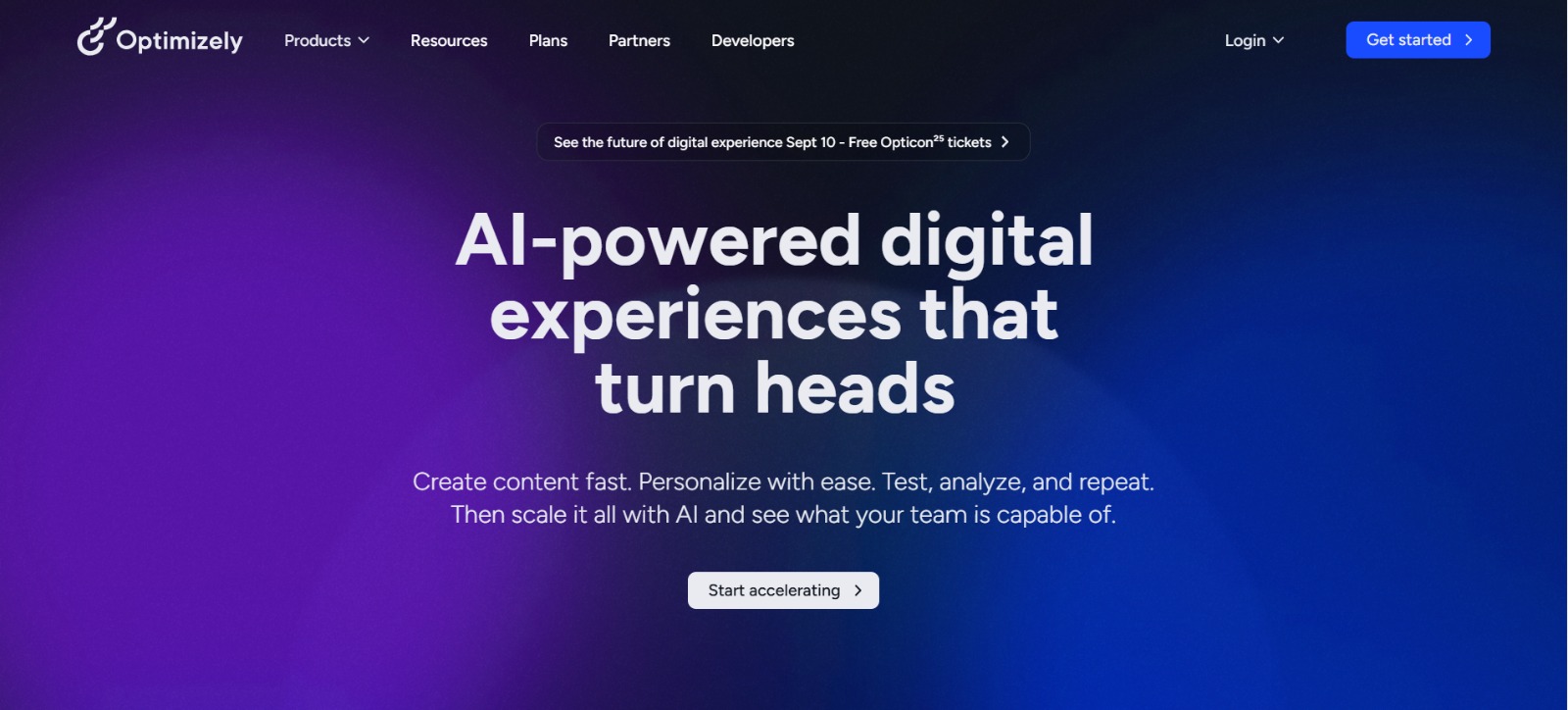
What it isOptimizely is one of the established players in the web and full stack experimentation space. It isn’t just an AB testing platform; it provides feature toggling, multivariate testing, personalization, content management, etc. It's built for companies that expect to run many experiments, across web and mobile, and also want tightly-integrated targeting and feature control.
Features
- Web experimentation + full-stack experimentation (frontend + backend) so you can test logic as well as UI.
- Multivariate tests (multiple variables changed together) and split URL testing.
- Advanced audience targeting / personalization based on behavior, attributes, cohorts.
- SDKs in many languages. Real-time or near real-time monitoring and results dashboards. Feature flagging / rollout controls.
Pricing
- Optimizely does not publish all pricing publicly and tailors quotes depending on traffic, features, impressions, etc.
- On-request / custom. Not super cheap; tends to be higher than bare-bones tools but lower than full enterprise suites in many cases.
Pros
- Very robust; if you need deep experimentation (full stack, backend logic etc), Optimizely supports complex tests.
- Good tooling for personalization and audience targeting.
- Strong reputational track record; a lot of companies are using it so integrations, community support etc are mature.
Cons
- Expensive; small to medium ecommerce or D2C brands may find the cost steep relative to benefit.
- Might be overkill if your AB tests are simpler (e.g. testing UI elements, landing page headlines, images).
- Because it's powerful, there is a learning curve; setting up experiments, guarding quality, making sure tests are valid requires some engineering/data maturity.
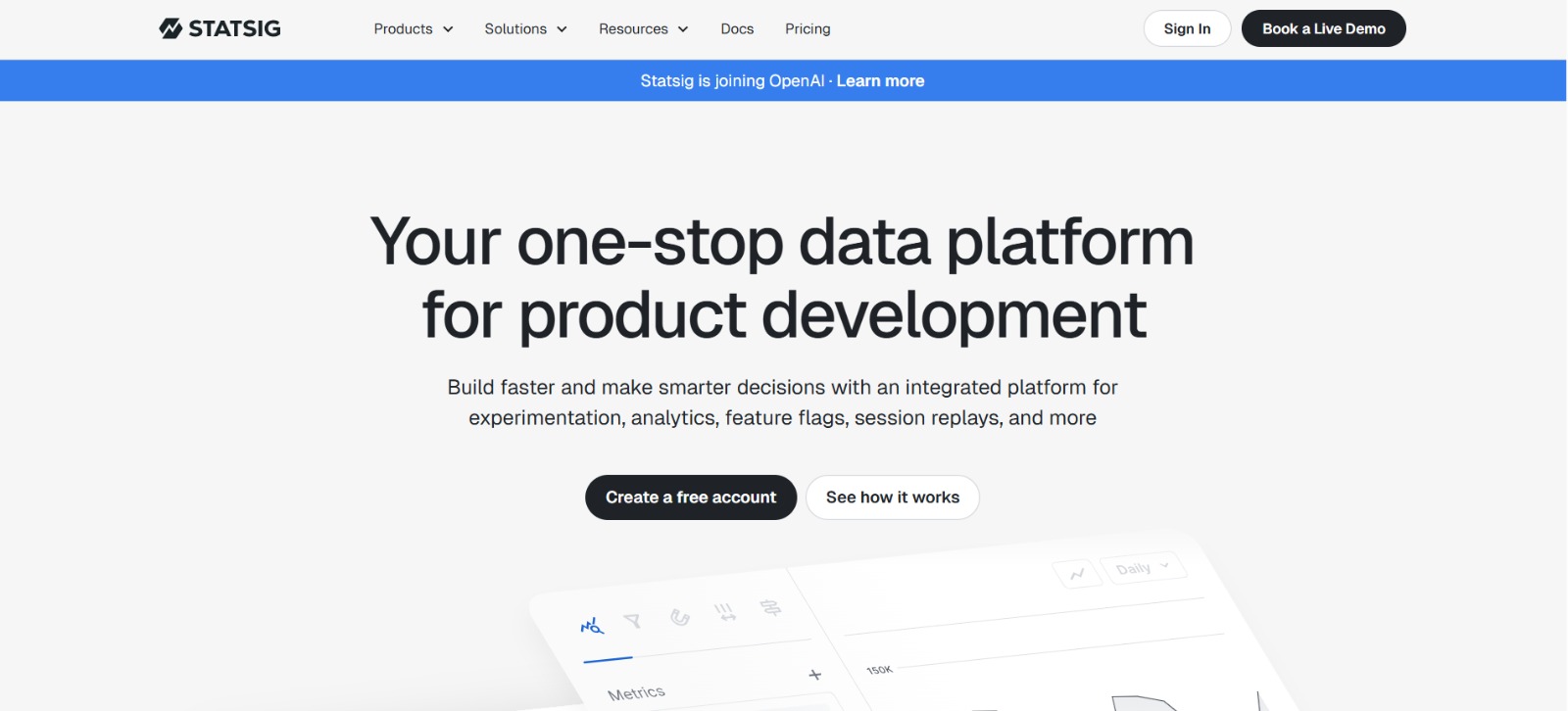
What it is Statsig is another modern platform for experimentation and feature flagging. It aims to give tools for teams who want to test often, iterate, monitor features, track metrics, and make sure things being released do what they claim. It has a pricing structure built around usage and events, which often makes it more flexible for growing teams.
Features
-
Free-tier / Starter usage (events / flags etc) so smaller teams / early stage stores can start without large upfront cost.
-
A/B / multivariate experiments, feature flagging, live monitoring. Ability to see how feature releases affect metrics.
-
Event-based pricing (you pay based on number of “events” or tracked interactions) rather than purely based on traffic or number of users.
-
Transparent usage metrics; overage pricing when you exceed thresholds.
Pricing
- Developer free tier: includes a generous number of events etc.
- Pro tier: starts at ~$150/month (base fee) with allowances of events; if you go over event limits you pay overage.
- On larger scale / enterprise, custom pricing, possibly with volume discounts.
Pros
- More affordable entry and more flexible scaling (especially useful for ecommerce / D2C stores that are growing).
- Transparent pricing helps avoid surprises.
- Good mix of feature flags + experimentation + analytics so you can test and release features with less risk.
- Less need for huge upfront engineering investment in basic cases.
Cons
- If your experiments are extremely complex or require highly advanced statistical treatments, you may find some limitations vs biggest enterprise tools.
- As you grow into very large volumes, costs of events etc may still scale and require negotiation.
- Support, onboarding etc may be more basic for smaller tiers.
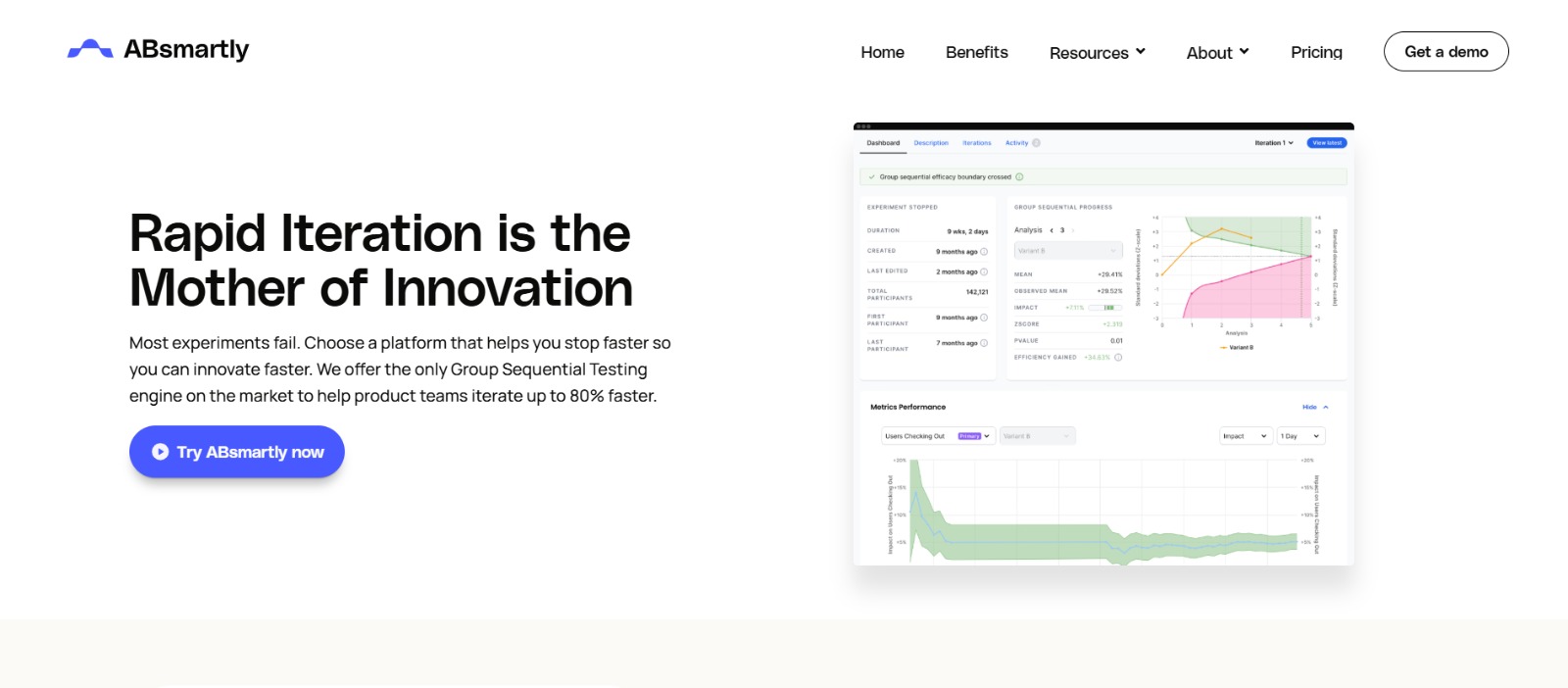
What it is A/B Smartly is an experimentation platform designed with both developers and growth/data teams in mind. It tries to combine speed, good statistical accuracy, flexibility, and minimal friction. Some influence comes from people who built high-scale experimentation programs (e.g. Booking.com).
Features
- Full stack experiment support: frontend and backend. Ability to run tests in many environments.
- Group Sequential Testing, which helps reach conclusions faster (by using methods that allow stopping earlier under some conditions) so experiments can deliver, without always needing full sample sizes.
- Deep segmentation, filtering, multi-variant testing.
- Real-time reports, collaboration features, ability to control how experiments are rolled out. Also attention to data ownership, latency, and reliability.
Pricing
- Event-based pricing starting at €60K/yr starting at 50 Million events per month.
Pros
- Good for teams who want statistical rigor, especially when you need to run multiple, overlapped experiments.
- Helps speed up experiment cycles via methods like group sequential testing. This can reduce “time to result.”
- Flexibility and ability to integrate in many stack types is helpful for more mature teams or brands.
Cons
- Overkill for small shops or those just starting with ecommerce AB testing; might pay for features they do not use.
- Learning curve; getting segmentation, statistical design right requires some knowledge.
- Cost & implementation overhead may be higher.
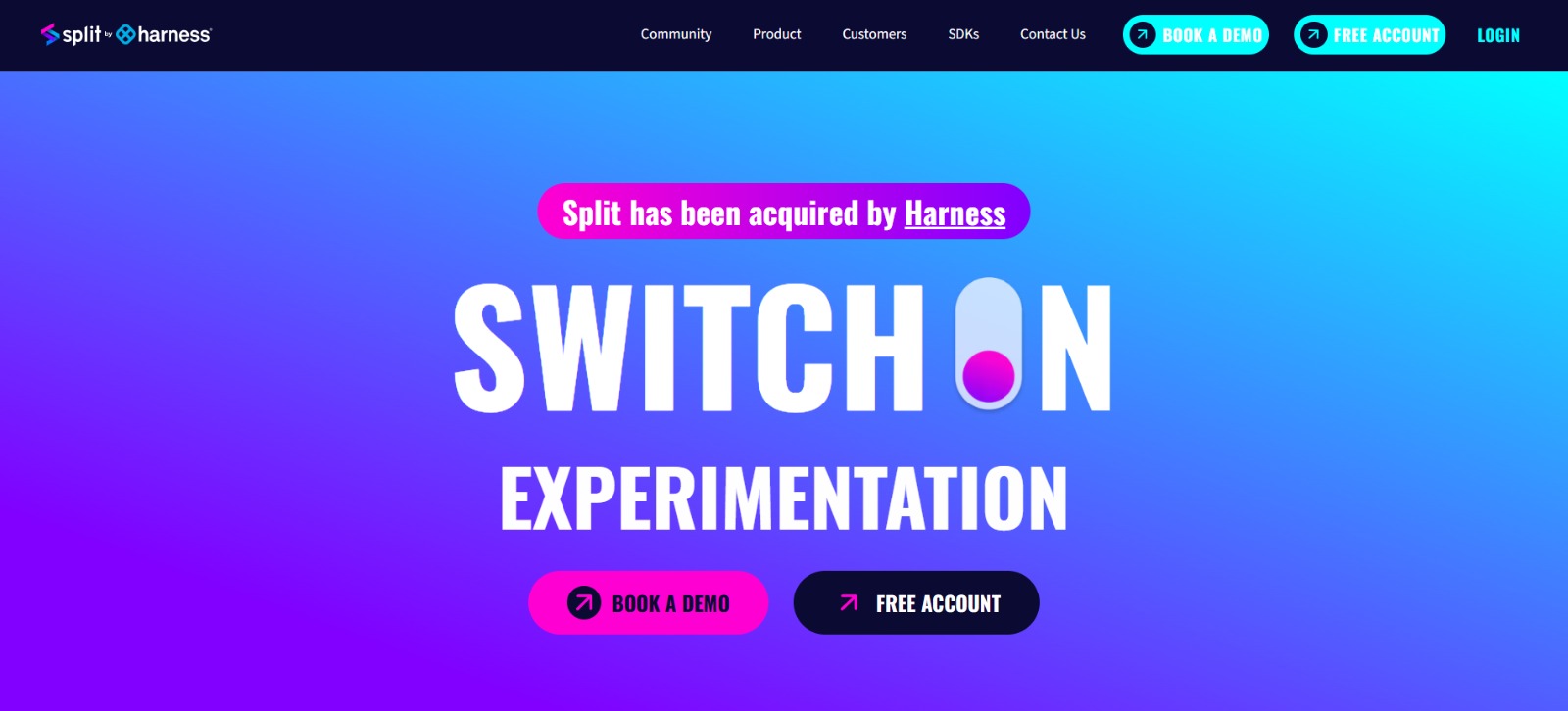
What it is Split.io is often associated more with feature flag management and server-side experiments rather than being purely UI-driven or visual editor-based tools. It’s built so product and engineering teams can safely roll out features, flag them, and run tests under controlled conditions. Useful when you need experiments not just on what users see in UI but deeper behavior or backend behavior.
Features
- Feature flags / toggles for safe rollouts and kill switches. If stuff breaks, you can turn off.
- Server-side experimentation; ability to run variations in backend logic or APIs, not only front-end UI components.
- Targeting based on user attributes, behavior, geography etc.
- Good SDK support across platforms.
Pricing
- As with many enterprise tools, pricing tends to be custom / negotiated. Depends on usage, number of feature flags, traffic etc.
Pros
- Very powerful for technically complex AB tests or experiments where UI is not enough.
- Useful where reliability, safe rollbacks, control is important.
- Less flicker because server-side changes can reduce UI lag.
Cons
- More technical setup required (engineering, code, QA). For smaller teams or stores, overhead can slow things.
- Visual editing or non-technical UIs may be more limited.
- Cost can scale steeply if many flags, many users, many traffic.
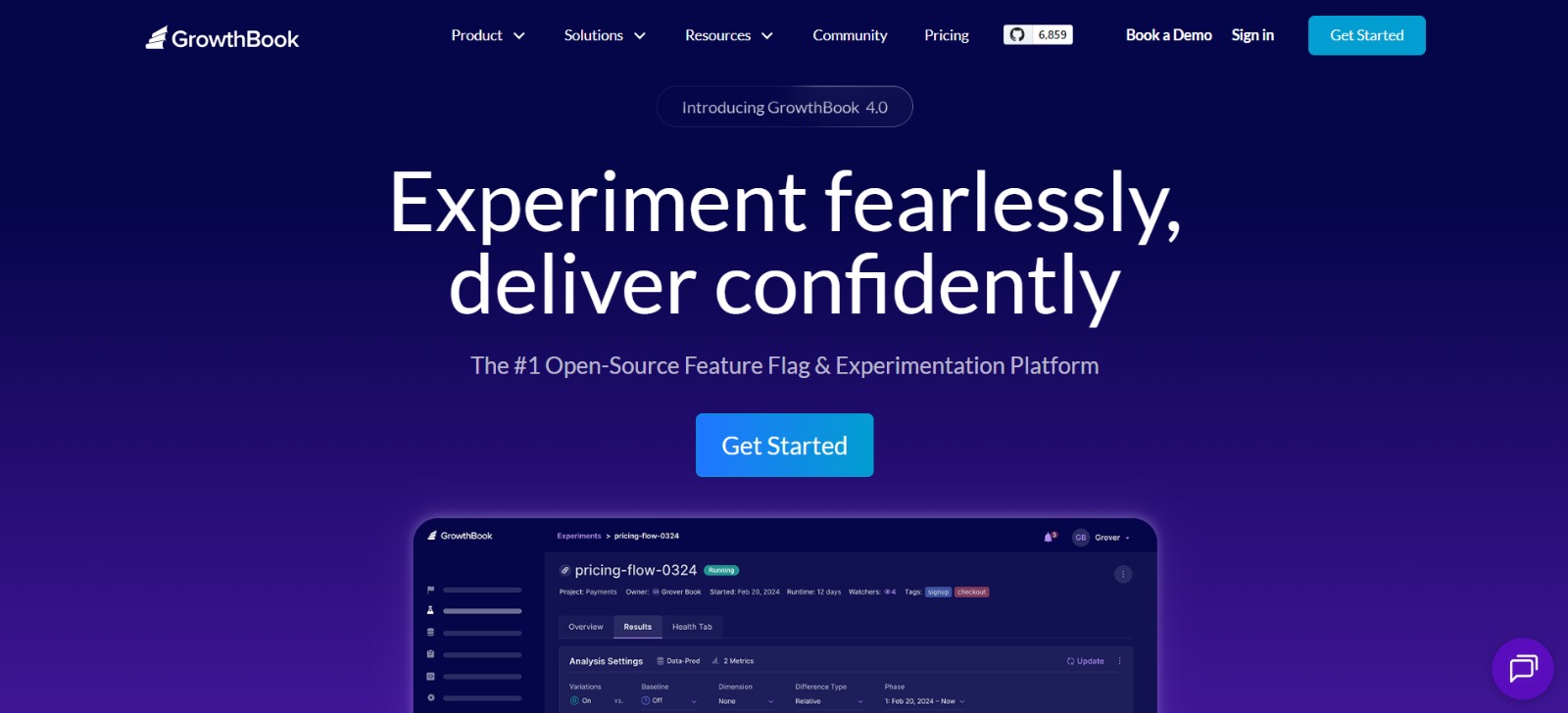
What it is GrowthBook is a more lightweight, newer alternative, often chosen by teams wanting good experimentation tools without huge cost or overhead. It tends to be more open to customization, more developer-friendly, and in some cases open source or “self-hostable” in certain settings.
Features
- A/B / multivariate experiments. Easy creation of variants. Visual editor in some cases, but often developer-friendly setup.
- Feature flags included.
- Integrations with data warehouses or analytics so you can use your own metrics.
- Often more transparent pricing, simpler tiers, sometimes open source options.
Pricing
- GrowthBook has a free starter plan.
- Paid plans (Pro $20 / Team / Enterprise) as you scale up. For larger traffic or more complex requirements (audit logs, more retention, multiple environments etc).
Pros
- Lower barrier to entry; good for ecommerce or D2C brands trying to increase conversion rate ecommerce without huge budgets.
- More control & transparency compared to some enterprise offerings.
- Good for experimenting often, making many small tests.
- A credible alternative to VWO for engineering-led, server-side tests.
Cons
- Might lack some of the enterprise polish (support, SLAs, advanced analytics) that tools like Optimizely or Eppo provide.
- For very large scale or very complex experiments, may come up short in terms of features, speed, or customization.
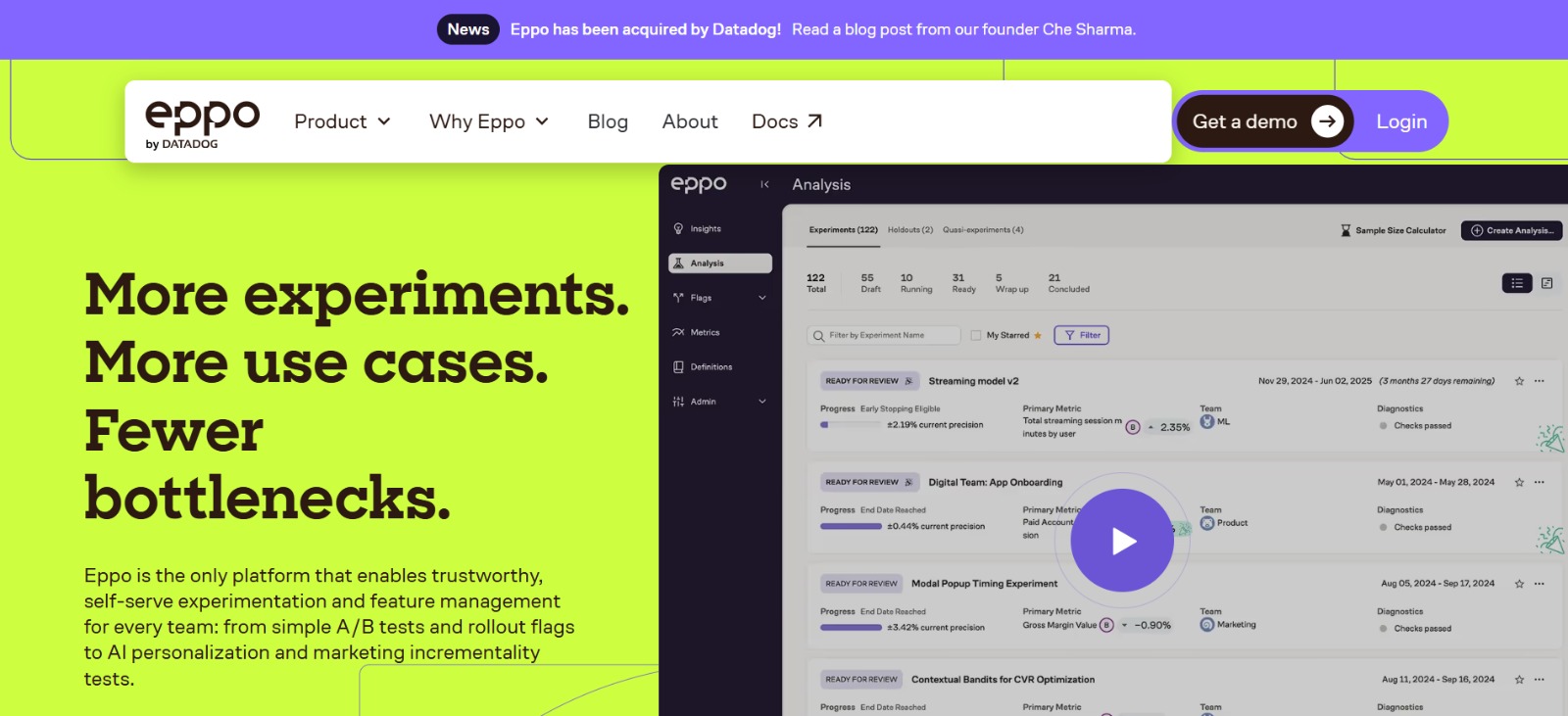
What it is Eppo is oriented around experimentation culture, statistical rigor, data governance, and letting companies run “warehouse-native” experiments. It tries to be transparent, give good control over metrics, reporting, rollout, feature flags, etc. Often used by product teams who want correctness, strong analytics, and less guesswork.
Features
- Warehouse-native architecture: connect your data warehouse so experiment results, metrics etc use your existing data pipeline. This helps avoid duplicate tracking or data drift.
- Feature flagging, incremental rollouts, safe release controls.
- Statistical engines: multiple modes (fixed sample, sequential, Bayesian etc in many tools; Eppo emphasizes trustworthy, rigorous experiment methods) so you get confidence in results.
- Reporting dashboards; clean display; ability for marketing/product/data teams to slice and dice results.
Pricing
- Pricing is “on request” for most tiers. Not publicly disclosed in detail.
- Likely to be more suited to teams that already have analytics infrastructure / data warehouse etc.
Pros
- Very strong choice for brands or companies that want reliable, trustworthy results. If you care about statistical correctness and avoiding biases, drift, you get good support.
- Good for long term experimentation culture, not just occasional UI AB tests.
- Using warehouse native tools means less risk of data mismatch between experiment data and main data.
Cons
- Higher setup cost in terms of infrastructure and possibly data engineering. If you don’t have a data warehouse or internal expertise, onboarding might take more effort.
- Lack of transparent pricing can make budgeting hard for smaller teams.
- Probably more than you need if your experiments are simple UI changes or low number of variants.
Here are some thoughts in practical terms, especially for ecommerce / D2C brands thinking of using AB testing platform, wanting to increase conversion rate ecommerce, etc:
- If you are just starting out and want to improve conversion via landing page tweaks, CTA buttons, images, etc, a tool with a gentle learning curve, lower cost, visual editor, and fast setup is better. Use this matrix to decide whether you need a lightweight VWO alternative or a full-stack platform.
- As volume of traffic grows, and experimentation becomes a core part of your decision-making, you benefit from tools that offer strong statistical methods, feature flagging, server-side testing, ability to integrate with your data warehouse, safe rollouts etc.
- CustomFit.ai (if you fit its capabilities) may offer the sort of sweet spot: visual editor, easier setup, good experimentation, ideally less cost overhead, less developer dependency. So depending on your shop’s size and skill availability, CustomFit.ai could beat out more expensive tools in terms of speed to value, while still giving decent power.
How to Choose the Best VWO Alternative
When comparing VWO competitors, keep three things in mind:
- Ease of use: Can your marketing team run tests without IT?
- Performance: Does the tool slow your site or cause flicker?
- Relevance: Does it fit your ecommerce funnel and help increase conversion rates?
For many ecommerce brands, CustomFit.ai strikes the right balance. It’s purpose-built for marketers who want quick wins and long-term growth through A/B Testing and personalisation.
FAQs: Best VWO Alternatives in 2025
**Q1: What is the best VWO alternative for ecommerce in 2025?**CustomFit.ai is one of the best VWO alternative for ecommerce in 2025 because it combines A/B Testing, personalisation, and smooth performance.
**Q2: Why should I look for VWO alternatives?**Many teams find VWO expensive, complex, and not optimised for smaller ecommerce businesses. Alternatives often provide the same core functionality with better usability.
**Q3: Can A/B Testing help increase conversion rate ecommerce?**Yes. Small changes in product pages, checkout, or landing pages can significantly improve conversions when validated through AB Testing.
**Q4: How does CustomFit.ai differ from VWO?**CustomFit.ai is lighter, easier to use, flicker-free, and designed specifically for ecommerce brands that want both testing and personalisation without heavy coding.
**Q5: Are there free VWO alternatives?**Yes. Tools like Statsig (with a free tier) and GrowthBook (open source) allow cost-efficient experimentation, though they require technical skills.
Final Thoughts
In 2025, choosing the right A/B Testing Platform comes down to usability and fit. VWO remains a capable tool, but its complexity and pricing put it out of reach for many brands. The best alternatives provide accessible testing, personalisation, and actionable insights without sacrificing performance.
If your ecommerce store is looking to increase conversion rate ecommerce without hiring a team of engineers, CustomFit.ai is a strong choice. It keeps testing simple, personalises effectively, and ensures you’re not guessing when it comes to optimising your store.