From the conversion glossary
Concepts referenced in this article, defined.
Struggling with high Return to Origin (RTO) rates? Discover 7 proven strategies for D2C brands to cut RTO, boost margins, and improve customer experience.
Concepts referenced in this article, defined.
Run rigorous A/B tests and personalize every visit on Shopify or any storefront — no engineers required.
Every direct-to-consumer (D2C) founder knows the frustration of seeing an order shipped with excitement only to have it boomerang back as a Return to Origin (RTO). On paper, sales look good. Products are packed, labels are printed, and shipments are dispatched. But then reality hits. A significant chunk of these orders never reach the customer, piling up as RTO. For many e-commerce brands in India, RTO rates can range from 15% to even 40%. That’s not just a logistical headache; it’s a silent killer of margins.
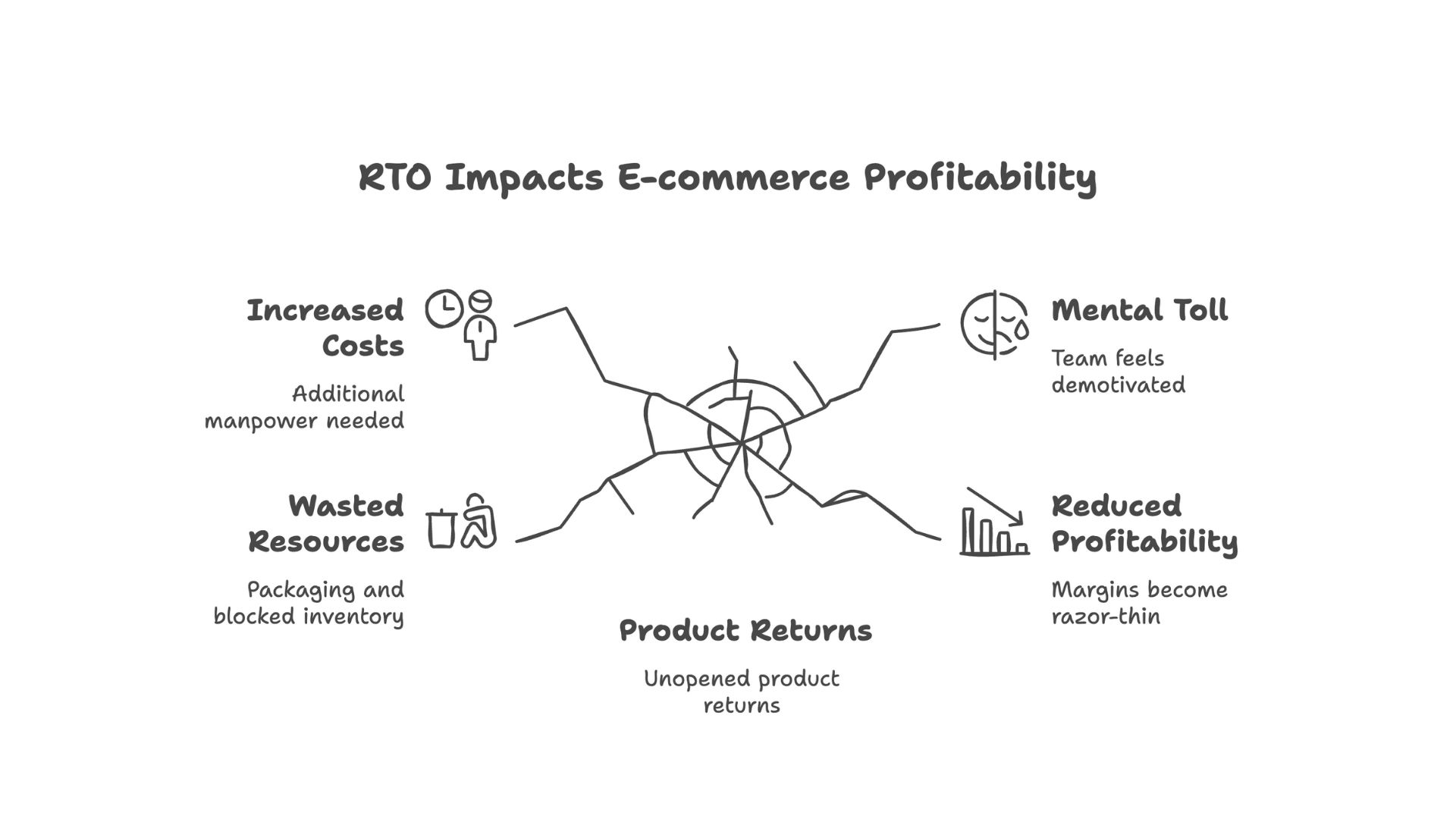
RTO isn’t just about the cost of shipping. There’s packaging wasted, blocked inventory, additional manpower, and the mental toll on the team. Imagine spending money on digital ads, nurturing customers, and getting them to buy, only for the product to be returned unopened. In e-commerce, where margins are already razor-thin, RTO can decide whether you’re profitable or bleeding.
So, how do you tackle it? The answer lies not in one silver bullet but in a series of carefully planned strategies. Let’s break down the seven proven ways to reduce RTO, all backed by real D2C experiences, consumer psychology, and practical tools.
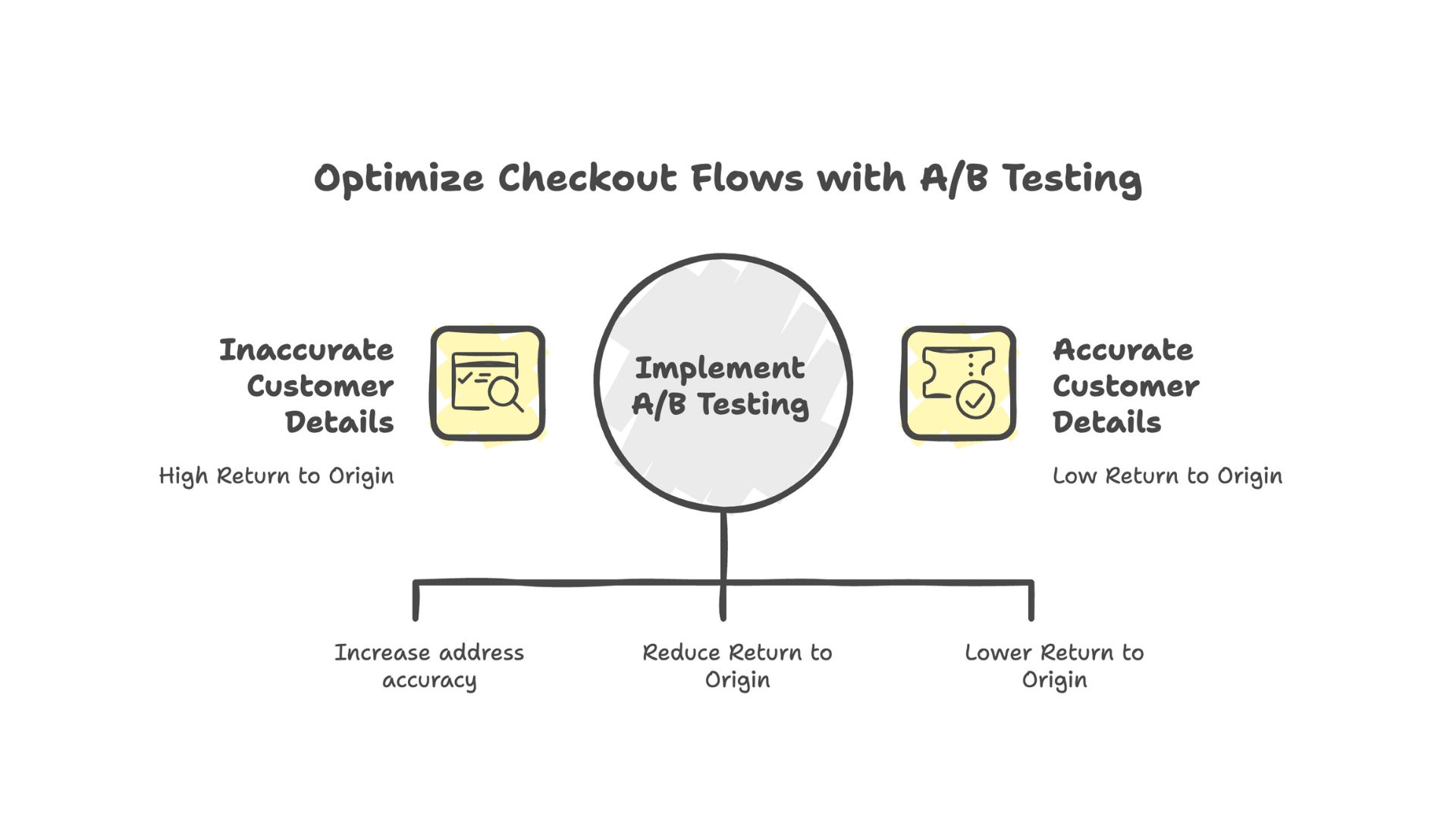
One of the biggest culprits of RTO is inaccurate or incomplete addresses. Customers might enter wrong pin codes, misspell locality names, or skip crucial details like landmarks or flat numbers. When delivery agents can’t locate the address, the package comes right back.
The fix lies in smarter address capture. Adding address validation at checkout can automatically flag errors or suggest corrections. Think of the way Google Maps autocompletes locations. For D2C brands, adopting something similar reduces human mistakes. Some brands also add a second step, asking for WhatsApp confirmation of the address. It feels redundant, but it saves thousands in failed deliveries.
This is also where A/B Testing can play a role. For example, testing whether an inline “Address Help” tooltip increases accuracy or whether a mandatory alternate phone number reduces RTO. Platforms like CustomFit.ai, though built for website personalization and A/B Testing for e-commerce experiences, can be creatively used here to optimize checkout flows and see what helps customers enter better details. Sometimes, a small tweak in how forms are structured can lower RTO rates significantly.
Cash-on-Delivery (COD) is both a blessing and a curse. It opens up access to millions of customers who don’t trust online payments, but it also creates the highest RTO risk. Customers often change their minds, aren’t available to pay, or simply refuse the parcel.
Reducing COD dependency isn’t about eliminating it. Instead, it’s about nudging customers toward prepaid without friction. Proven tactics include offering small discounts on prepaid orders, prioritizing faster delivery for prepaid orders, or showing trust signals like secure payment logos.
This is another area where an A/B Testing Platform comes in handy. You could test messaging like “Get ₹50 off on prepaid orders” versus “Prepaid orders are shipped 1 day faster” to see what resonates with your audience. Each brand’s customers respond differently, and experimentation ensures you find the sweet spot. CustomFit.ai, for example, helps ecommerce brands personalize these nudges by showing tailored banners or offers based on whether a customer typically opts for COD.
How many times has your logistics team packed a COD order only for the customer to later say, “Oh, I didn’t place this” or “I changed my mind”? Fake or impulse orders are a major contributor to RTO.
The solution lies in order confirmation workflows. Before dispatching, send an automated WhatsApp or IVR call to confirm COD orders. But the trick is to do it without irritating genuine customers. Too many calls or messages can cause friction.
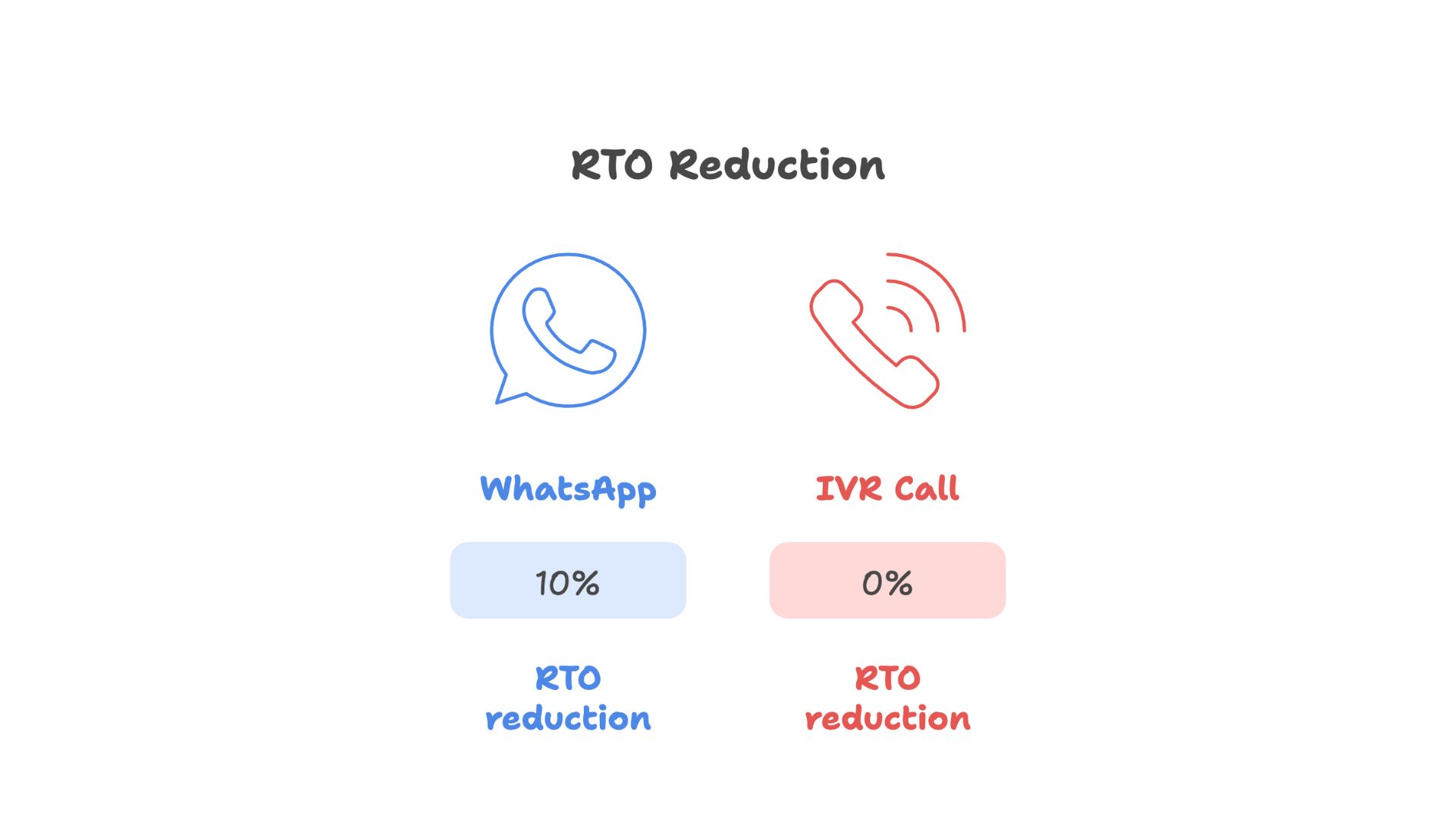
Brands can A/B test whether a WhatsApp button (“Click to Confirm”) works better than an IVR confirmation call. Interestingly, some ecommerce founders report that confirmation through WhatsApp reduces RTO by almost 10% compared to calls, because customers find it less intrusive. Again, this is where AB Testing for e-commerce checkout flows helps you refine the best communication strategy.
Delivery isn’t just about logistics, it’s about human behavior. Many RTOs happen not because the customer didn’t want the product, but because of failed delivery attempts. Maybe the courier arrived during office hours, maybe the customer was travelling, or maybe the delivery agent didn’t bother calling before marking it as undelivered.
Investing in last-mile coordination pays off. Options include letting customers reschedule delivery, giving them live tracking, or enabling them to chat with delivery agents. Some forward-thinking brands even allow customers to pick a preferred delivery slot at checkout.
E-commerce businesses can A/B test whether adding a “Preferred Delivery Time” field at checkout reduces RTOs. Yes, it slightly increases checkout steps, but if it decreases failed deliveries, the trade-off is worth it. Platforms like CustomFit.ai can help implement these changes without heavy development work, allowing teams to test small but impactful ideas.
Every brand has unique RTO triggers. For some, it’s COD orders in Tier 2 towns. For others, it’s specific product categories like high-ticket electronics or fragile items. Without analyzing the data, you’re shooting in the dark.
Start by tracking RTO reasons at a granular level, by product, pin code, order value, and payment method. Over time, patterns emerge. For example, you might discover that one courier partner has 2x higher RTOs in certain regions, or that festive seasons lead to more casual COD refusals.
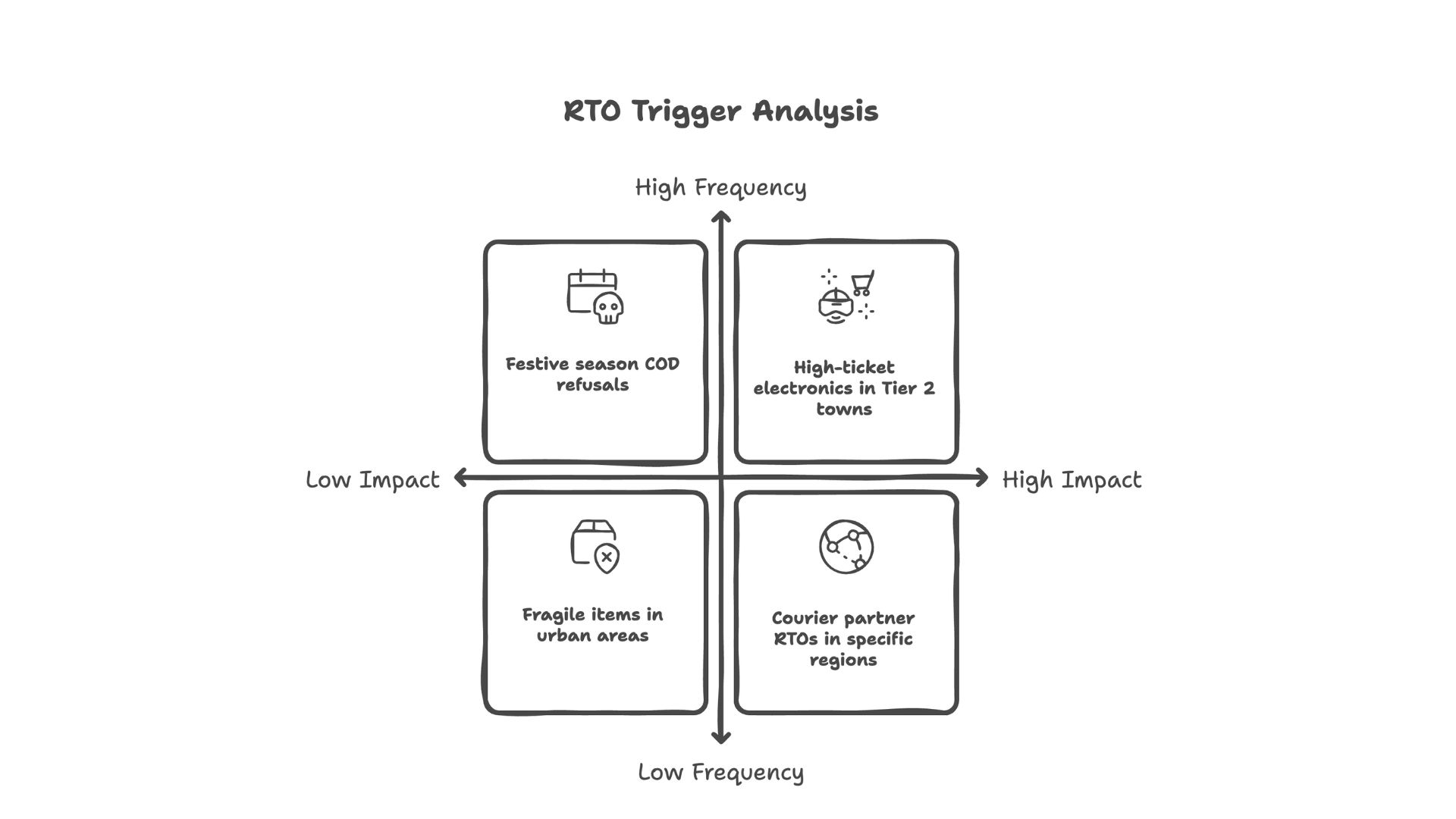
Once you have data, it’s easier to decide where to focus. Maybe you tighten COD availability only in high-risk pin codes, or you mandate prepaid for products above a certain value. The goal is not to block sales but to reduce unnecessary costs.
This is where e-commerce brands can borrow a mindset from A/B Testing. Treat each change as an experiment, measure the impact, and roll it out gradually. Whether you’re testing a courier partner or a payment incentive, optimization through experimentation helps you steadily reduce RTO while still increasing the conversion rate in e-commerce.
Sometimes, RTOs are simply the result of customer regret. Maybe the product didn’t look as expected, maybe the size wasn’t clear, or maybe they assumed something different from the description. In such cases, RTO is essentially a trust gap between what customers imagined and what they received.
The fix is straightforward but powerful: build better product pages. Use clear photography, detailed descriptions, size guides, customer reviews, and even user-generated content. The more transparent you are, the fewer customers change their minds after ordering.
One underrated trick is testing precise vs rounded discounts on product pages. Research suggests that showing precise numbers (like 18.7% off) can feel more credible in some categories. On the other hand, rounded discounts (like 20% off) may feel simpler and more appealing. The right answer depends on your audience, and that’s where an A/B Testing Platform like CustomFit.ai shines. By experimenting with these subtle details, brands reduce post-purchase regret, leading not only to fewer RTOs but also to a higher conversion rate e-commerce overall.
Finally, some RTOs happen because customers expect something unrealistic. Maybe they thought COD means “try before you buy.” Maybe they assumed free delivery means free returns. Or maybe they weren’t clear on the delivery timeline.
Education here doesn’t mean boring policies buried in fine print. It means communicating clearly throughout the customer journey. Add a line at checkout like, “Please ensure someone is available to receive COD orders.” Send SMS updates that explain delivery timelines. Show honest shipping times instead of overpromising.
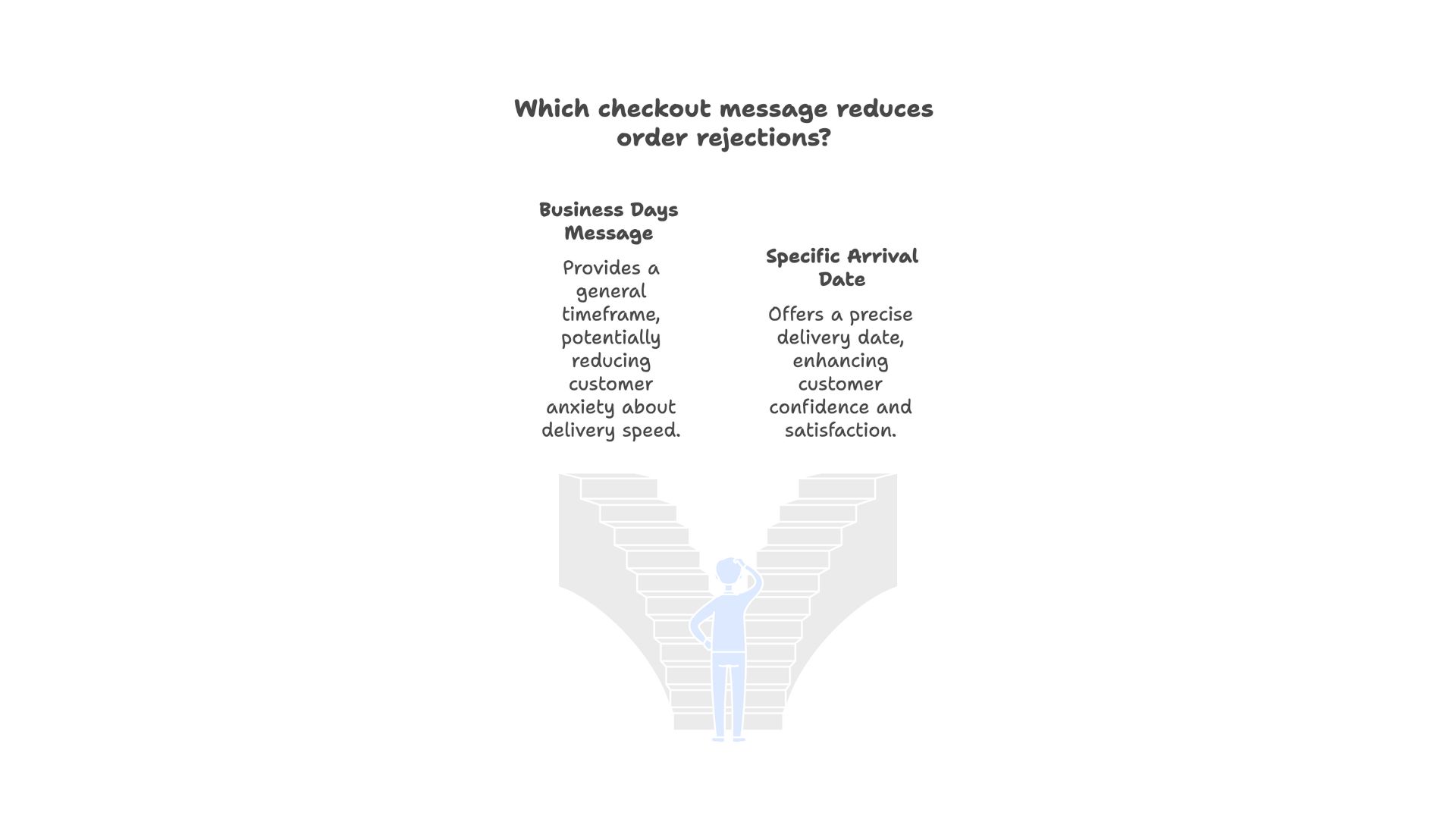
E-commerce brands can even A/B test whether small messages at checkout, like “We ship in 3–5 business days” versus “Your order will arrive by Thursday”, reduce RTOs. The more customers feel informed and respected, the less likely they are to reject an order at the doorstep.
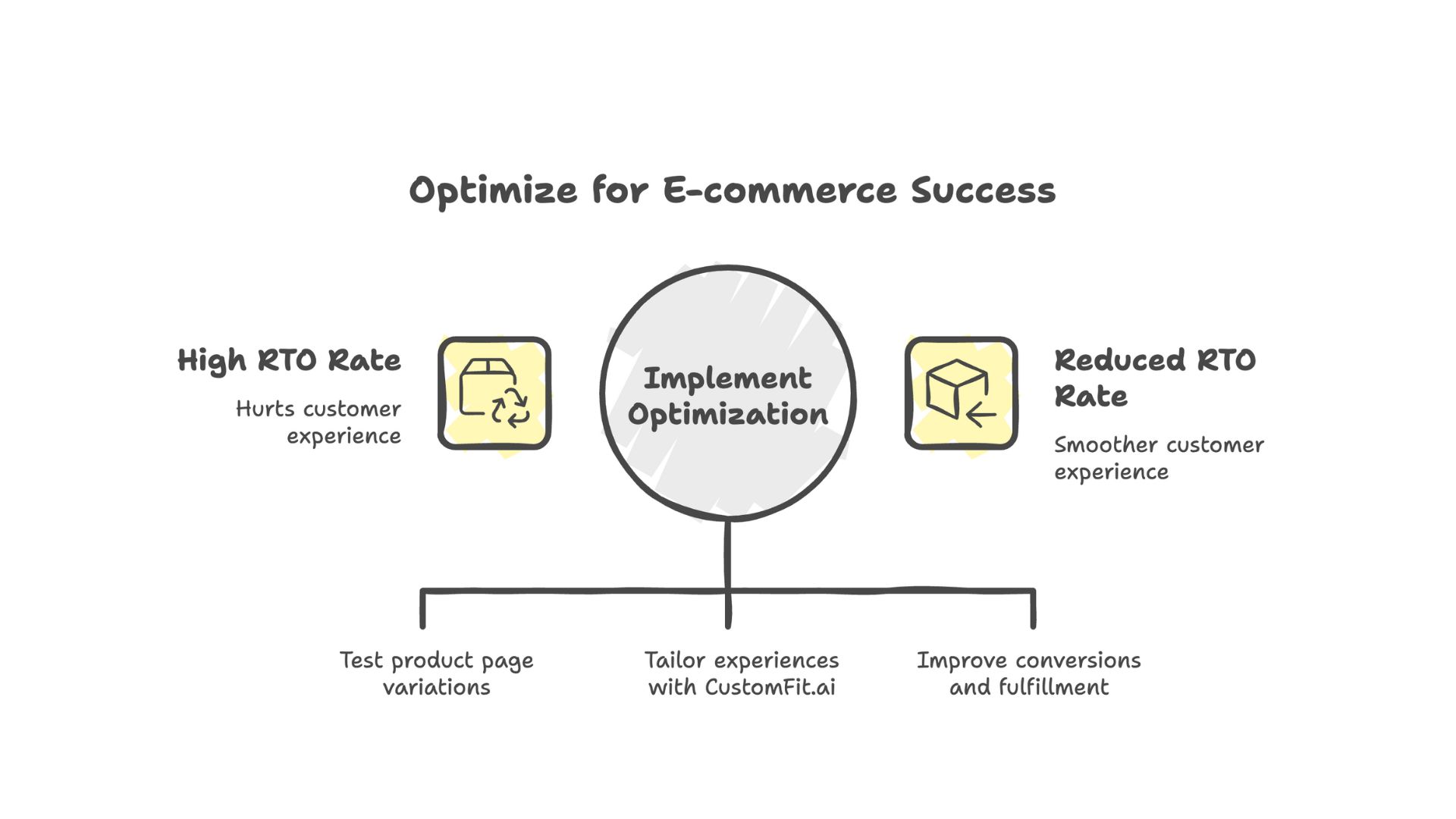
Reducing RTO isn’t about one big change. It’s about dozens of small tweaks, each tested, measured, and refined. From smarter address validation to better product pages, from nudging prepaid payments to analyzing courier performance, every step adds up. And while logistics is at the heart of the issue, the solution often lies in customer psychology and digital experience design.
This is why thinking like an optimizer matters. The same mindset that drives e-commerce brands to run A/B Testing on their product pages can also be applied to logistics problems like RTO. Tools like CustomFit.ai are built to help D2C founders personalize experiences, test hypotheses, and ultimately improve both conversions and fulfillment success. Because in the end, every avoided RTO isn’t just saved money, it’s a smoother customer experience and a healthier ecommerce business.
Q1: What does Return to Origin (RTO) mean in e-commerce? RTO in e-commerce refers to orders that are shipped but fail to reach the customer and are returned to the seller’s warehouse. This often happens due to wrong addresses, refusal to accept, failed COD payments, or delivery issues. High RTO directly impacts margins and customer trust.
Q2: How can e-commerce brands reduce RTO? E-commerce brands can reduce RTO by validating addresses, nudging prepaid payments, confirming orders smartly, improving last-mile delivery, analyzing RTO data, building better product pages, and educating customers about policies and timelines. These strategies collectively reduce costs and increase the conversion rate of e-commerce.
Q3: Why is COD a major cause of RTO in India? Cash-on-Delivery (COD) increases RTO risk because customers can easily refuse the order without financial commitment. Many orders placed on impulse or through fake details end up as RTO. Offering small prepaid incentives and confirming COD orders are proven ways to reduce this.
Q4: Can A/B Testing help reduce RTO in e-commerce? Yes. A/B Testing is a powerful way to test different interventions, like prepaid nudges, checkout messages, product page layouts, or delivery communication, and see which reduces RTO the most. Using an A/B Testing Platform such as CustomFit.ai allows brands to experiment quickly and apply changes based on data, not assumptions.
Q5: How does reducing RTO impact the conversion rate of e-commerce? Reducing RTO improves conversion rate in e-commerce because fewer failed deliveries mean more successful sales, less wasted ad spend, and better customer satisfaction. It ensures that when customers purchase, the brand earns revenue instead of spending resources on returns.