From the conversion glossary
Concepts referenced in this article, defined.
Concepts referenced in this article, defined.
Run rigorous A/B tests and personalize every visit on Shopify or any storefront — no engineers required.
Popups are the most love-hate element in ecommerce CRO — visitors dislike bad popups, but well-timed, well-crafted popups with genuine offers can capture 3–8% of otherwise-lost email leads. A/B testing popups tells you which timing, offer, and format converts your specific audience instead of guessing based on generic best practices. The difference between a 1% and 5% popup conversion rate is the difference between 10 and 50 new email subscribers per 1,000 visitors — a 5× difference in list growth from the same traffic.
This guide covers how to A/B test each major popup type and the specific variables that matter most for Indian D2C brands.
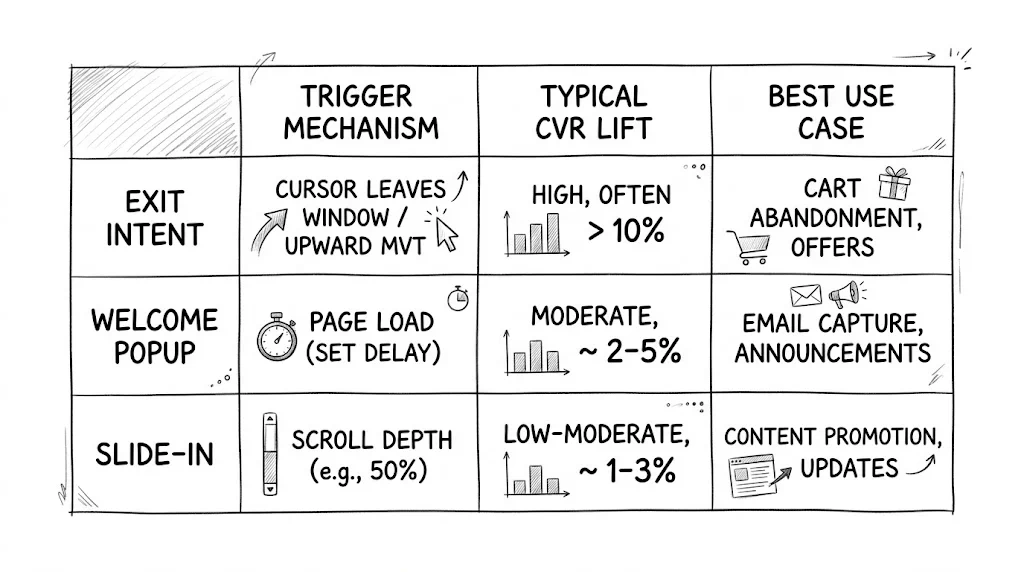
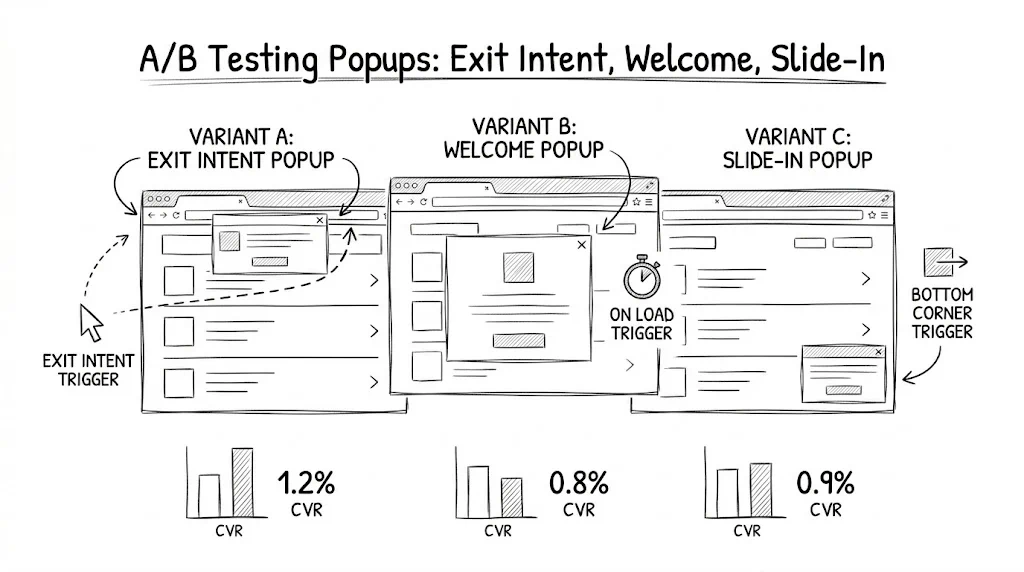
Triggered when a visitor's mouse movement indicates they're about to navigate away (desktop) or when they press the back button (mobile).
When to use: For cart abandonment recovery, last-chance offers, and email capture for visitors who browsed but didn't convert.
Top variables to test:
Offer type: Discount vs. free shipping vs. free gift vs. loyalty points
Headline urgency: "Wait — before you go" vs. "Don't miss your exclusive offer" vs. "You left something in your cart"
Form length: Email only vs. email + name vs. email + WhatsApp number
Visual design: Product image in popup vs. lifestyle image vs. text-only popup
Appear when a visitor first arrives on your site, usually after 5–30 seconds or on the first page load.
When to use: Email/WhatsApp list building, presenting a first-time buyer offer, directing visitors to the right product category.
Top variables to test:
Trigger timing: 5 seconds vs. 15 seconds vs. 30 seconds vs. first page scroll
Offer presentation: % discount vs. ₹ value vs. "exclusive member" framing
Dismiss CTA copy: "No thanks" vs. "I'll pay full price" vs. "Maybe later"
Single-field vs. two-field form: Email only vs. name + email
Subtle popups that slide in from the bottom or side of the page, typically triggered by scroll depth.
When to use: Mid-page engagement captures — less disruptive than full-screen popups, good for returning visitors or visitors deep into content.
Top variables to test:
Position: Bottom-right corner vs. bottom-center vs. left side
Trigger depth: 40% scroll vs. 60% scroll vs. 80% scroll
Content type: Discount offer vs. content upgrade (free guide) vs. related product recommendation
Size and visual presence: Minimal bar vs. standard slide-in card vs. larger format
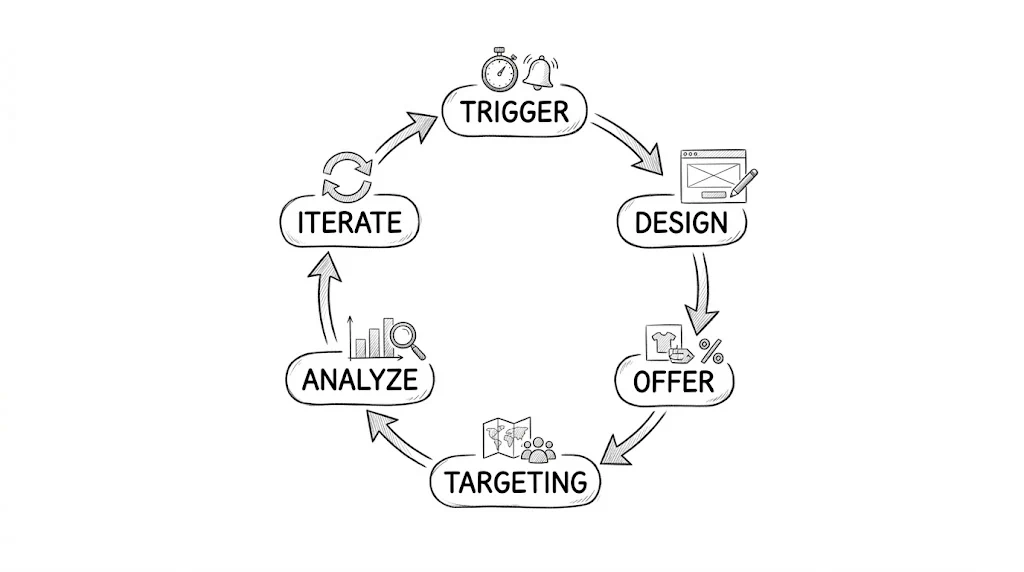
Step 1: Identify your popup goal List building? Cart recovery? Product discovery? Different goals require different popup types and metrics.
Step 2: Audit your current popup performance Before testing, establish baseline metrics:
Step 3: Prioritize the highest-impact variable For most brands:
Step 4: Run the test with proper segmentation Always segment popup tests by:
Step 5: Measure beyond completion rate A popup with 8% completion but poor-quality subscribers is worse than a popup with 4% completion but highly engaged subscribers. Track:
WhatsApp opt-in vs. email opt-in: WhatsApp marketing has dramatically higher open rates (60–80%) vs. email (15–25%) in India. Test whether adding a WhatsApp opt-in option alongside email increases overall subscriber capture.
COD offer in popups: "Order with COD — no advance payment" as a popup offer for hesitant first-time buyers can reduce purchase anxiety. Test this against a discount offer for new visitors.
Festive season popup variants: During Diwali, Holi, or Valentine's Day, seasonal popup designs and offers should be tested against your standard popup. Festive offers with countdown timers ("Diwali offer ends in 4:23:17") can lift conversion rates during peak seasons.
Regional language testing: For brands with significant Tier 2/Tier 3 traffic, testing Hindi or regional language copy in popups vs. English-only copy can reveal significant regional differences. A "हिंदी में ऑर्डर करें" option or Hindi headline can increase trust for some audiences.
Don't test whether to have a popup vs. no popup using A/B testing if it's your primary email capture mechanism. You'll be testing away a core revenue channel. Use qualitative research for that decision, then optimize within the popup.
Don't test popup frequency as an A/B test variable without careful guardrail metrics. Showing popups more frequently might increase email capture while damaging experience metrics (bounce rate, session duration).
Don't test during major sales events — Diwali or sale traffic behaves very differently. Popup conversion rates are artificially elevated during sales because intent is higher. Your "winner" may not hold after the sale.
Personalize popups by visitor type before optimizing copy — showing the same exit popup to a visitor who just added to cart vs. a visitor who just arrived is a missed opportunity. Segment first, then optimize.
Test ₹-value offers vs. percentage discounts specifically for Indian audiences — ₹200 off tends to outperform 15% off for orders under ₹1,500 because the absolute value is clearer.
A/B test your dismiss CTA — "No thanks, I'll pay full price" vs. "Maybe later" vs. just an X button. The friction in dismissal affects completion rates measurably.
Measure popup subscriber quality, not just quantity — a popup that converts at 8% but generates zero purchases is worse than one converting at 3% with 20% purchase rate among subscribers.
Test scroll-depth triggers before time-based triggers on mobile — scroll depth is a better proxy for engagement than time on page in mobile sessions.
Run popup tests for at least 500 impressions per variant — popup conversion rates are often low (2–8%), so you need larger impression volumes for statistical confidence.
Related reading: Exit Intent Strategies | A/B Testing Forms | Urgency and Scarcity Tactics | Conversion Rate | A/B Testing Pillar Guide