From the conversion glossary
Concepts referenced in this article, defined.
Concepts referenced in this article, defined.
Run rigorous A/B tests and personalize every visit on Shopify or any storefront — no engineers required.
India's fitness movement is real — gym memberships tripled post-2021, home workout equipment sales are up 4x, and the sports nutrition market is on track to reach ₹10,000 crore by 2027. But the D2C sports and fitness brands winning in this market aren't just riding the trend — they're building it through smart online presence, community-driven growth, and continuous product page optimization. This guide covers what actually works for sports and fitness D2C brands in India.
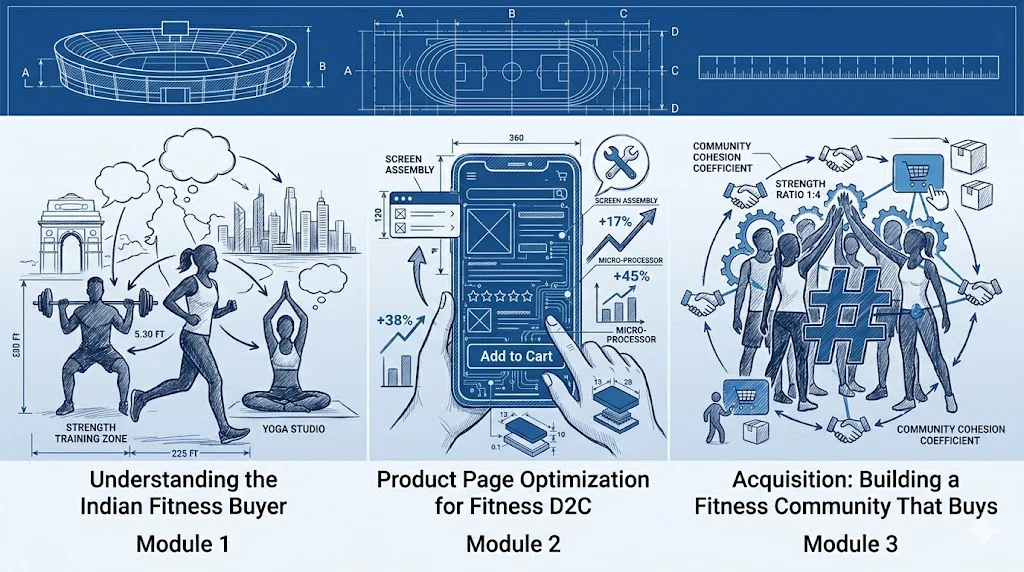
The Indian fitness buyer spans a wide spectrum, but the D2C-native segment is mostly 22–38-year-old professionals who workout 3–5 times a week and take their nutrition seriously:
Metro gym-goer: High awareness, researches supplements extensively, reads lab reports and certifications, willing to pay premium. Influences peers heavily.
Home workout enthusiast (post-COVID cohort): Grew rapidly, now a permanent segment. Buys resistance bands, dumbbells, yoga mats, and basic supplements. Highly influenced by YouTube and Instagram fitness content.
Tier 2/3 city fitness enthusiast: Growing fast, price-conscious, influenced by regional YouTube fitness channels. COD and value-for-money sizing are key purchase drivers.
Athletic performance buyer: Runners, cyclists, and sport-specific athletes who need performance nutrition and specialized gear. High LTV, expert-level product knowledge.
For fitness products — especially supplements — the product page carries an enormous trust burden. Buyers have been burned by underdosed, adulterated, or simply ineffective products.
Lab testing and certification display: Show FSSAI certification, Informed Sport certification (if applicable), third-party lab test results, and any sport-specific certifications prominently. A "Lab tested, certified clean" badge near the product name directly addresses the authenticity concern that causes hesitation.
Nutrition fact panel: For supplements, display the complete supplement facts panel clearly — serving size, servings per container, ingredient amounts, and key callouts ("25g protein per serving, no added sugar"). Buyers who can verify what's in the product convert at higher rates.
Athlete and trainer endorsements: A quote from a certified personal trainer or nutritionist who uses and recommends the product converts significantly better than celebrity endorsements for fitness buyers. Authenticity matters.
Flavor and form comparisons: Protein powders, pre-workouts, and BCAAs come in multiple flavors and forms. Use a comparison table showing each flavor's taste profile, best use case, and mix quality. Reducing flavor indecision increases conversion.
The highest-performing sports D2C brands in India are also media companies. They create fitness content first, sell products second.
YouTube fitness education: A brand-owned YouTube channel with workout tutorials, nutrition guides, and "honest supplement reviews" builds authority and drives organic traffic at near-zero CAC. One well-optimized video on "best protein powder for beginners India" can drive thousands of monthly visitors indefinitely.
Fitness challenge campaigns: 30-day workout challenges, transformation contests, and nutrition challenges on Instagram create UGC, community engagement, and repeat brand touchpoints without paid amplification. The community that forms around the challenge becomes a retention asset.
Micro-influencer athlete partnerships: A certified fitness trainer with 15,000 Instagram followers and a highly engaged audience will convert better than a Bollywood celebrity endorsement. Partner with trainers, nutritionists, and competitive athletes — not just large accounts.
WhatsApp fitness groups: Post-purchase, invite buyers into a brand-run fitness community on WhatsApp. Share workout tips, nutrition advice, and product usage guidance. Buyers who join these groups have 2x higher repeat purchase rates.
Customer lifetime value in sports D2C is built on the monthly replenishment cycle of consumables:
Subscription for supplements: Protein powder (25–30 servings per container, ~1 month supply), pre-workout, multivitamins, and creatine all follow a predictable monthly consumption pattern. Offer 15% off + free shipping on subscribe-and-save. Brands running this model see 3x LTV from subscribers vs. one-time buyers.
Replenishment reminders: If a buyer purchased a 30-serving protein tub, send a reorder email at day 25 ("Running low? Reorder before you run out"). Simple, timely, and effective — these emails convert at 15–20% open rates.
Fitness milestone celebration: Track when buyers hit milestones — "You've been training with us for 6 months!" or "You've ordered 5 times — here's a loyalty reward." Milestone moments drive emotional connection and repeat purchase.
Equipment upgrade path: A buyer who started with resistance bands can be nurtured toward adjustable dumbbells, then a power rack as their fitness journey progresses. Build an upgrade journey email sequence.
Website personalization allows sports brands to serve the right product to the right buyer:
Goal-based personalization: "What's your fitness goal?" (Lose weight / Build muscle / Improve performance / General fitness) on first visit allows personalization of the homepage, featured products, and email recommendations. A weight-loss buyer should not see the same hero as a muscle-building buyer.
Experience level personalization: Beginner buyers need simplicity and guidance (starter kits, what to take and when). Advanced buyers want specific performance specs, third-party test results, and detailed nutritional data.
Returning buyer experience: Show current subscription status, reorder prompts, and new product launches relevant to their purchase history. Someone who buys protein should see complementary creatine and recovery supplements.
| Metric | Target for Sports/Fitness D2C |
|---|---|
| CAC | ₹300–₹600 for paid channels |
| AOV | ₹700–₹1,500 |
| Gross Margin | 50–65% |
| LTV (12 months) | ₹3,000–₹6,000 |
| LTV:CAC Ratio | 5:1 or better |
Supplement brands that convert even 30% of buyers to subscriptions see dramatically improved unit economics within 3–6 months.
Related reading: D2C Brand Growth Pillar | Men's Grooming D2C India | RFM Segmentation for D2C Brands